
You scroll through feeds packed with visual storytelling tutorials.
Ten ways to compose the perfect shot.
Five apps for editing your narrative arc.
Everyone chases the formula, as if the frame bends to checklists.
But pause. Recall a moment you lived, not staged.
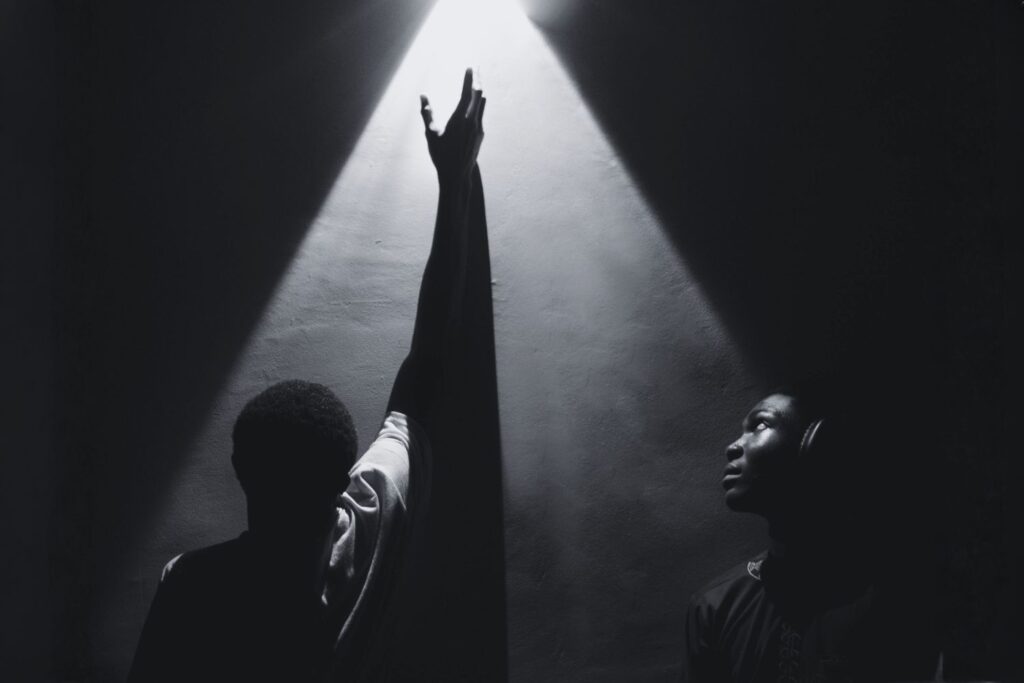
The afternoon light slanting across a stranger’s face on a crowded sidewalk. No filter needed.
That pull in your chest.
Stories form there, in the quiet before you name them.
People no longer look.
Sit on a bench long enough, eyes open to the passing crowd, and terms flood in.
Stalker. Invader. Oddity.
Society labels the watcher, forgetting how eyes once met without suspicion.
You sit anyway. Life unfolds without cue cards.
A child tugs a parent’s sleeve. An old man pauses, coat flapping in the wind.
These slices of existence demand no caption.
They speak if you listen.
As a street photographer, I position myself.
Not to direct, but to receive.
The sun angles low, and I shift so it carves shadows that matter. It rose before I did, indifferent to my plans.
Your power lies in that adjustment. Camera settings. Stance.
The rest belongs to the street. No script. No premeditated pose.
An event erupts, a vendor’s laugh syncing with a pigeon’s scatter, and you press the shutter. The frame holds what happened, raw.
This extends beyond lenses.
Films falter when actors overplay.
Lines delivered with furrowed intensity.
Gestures that scream intent. You sense the strain. Natural delivery hits different.
The director arranges light, blocks movement, then steps back.
Visual storytelling thrives on that restraint.
Does it ring true? Does the image graze your skin? Then it works.
Modern life confuses this.
Platforms reward the polished performance, the persona polished to shine.
You curate feeds, mistaking the mask for the moment.
Jung noted how roles we wear harden into identity.
You perform “you” until the street’s poetry blurs.
Constant alerts, scrolls, and inputs drown the signal.
Noise everywhere, availability mandatory. What gets lost?
The subtle glance between strangers. The shadow that tells the hour.
Strip it back. Simplicity cuts through.
Think of moments you lived, stories you told yourself without words.
That walk home where rain blurred the city into rhythm.
No to-do list prompted it.
You felt the weight lift, the world aligning for a breath.
Now apply that to your frame.
Whether photo, film, or sketch, ask what subtracts. Remove the excess pose. Let light and chance conspire.
Wannabes complicate it for convenience.
Easier to sell tricks than admit the truth: you cannot dictate life’s poetry. You observe. You frame.
The street delivers the narrative, unbidden.
A woman adjusts her scarf mid-stride, expression caught mid-thought. Freeze it. Does it touch?
It does because it mirrors something real, something you recognize in your own unposed days.
Noise prevents this.
Phones buzz while you stand there. Inputs pull you from the bench, the corner, the wait.
Permanently available, you miss the event forming steps away. Attention fractures.
The persona you maintain online leaks into the lens, turning observation into output.
Post fast. Engage more. But real stories resist that haste. They demand you stand still, eyes attuned.
You have sat through such moments.
Recall one now.
The hush before a crowd surges. The way exhaustion etches a face at dusk. These build the tale without effort.
Visual storytelling simplifies to this: be present enough to notice, precise enough to capture.
No jargon shields the act.
Life speaks plainly if you let it.
What happens when you lower the phone next time?
Watch without capturing.
Does the world reveal a story you almost forgot?
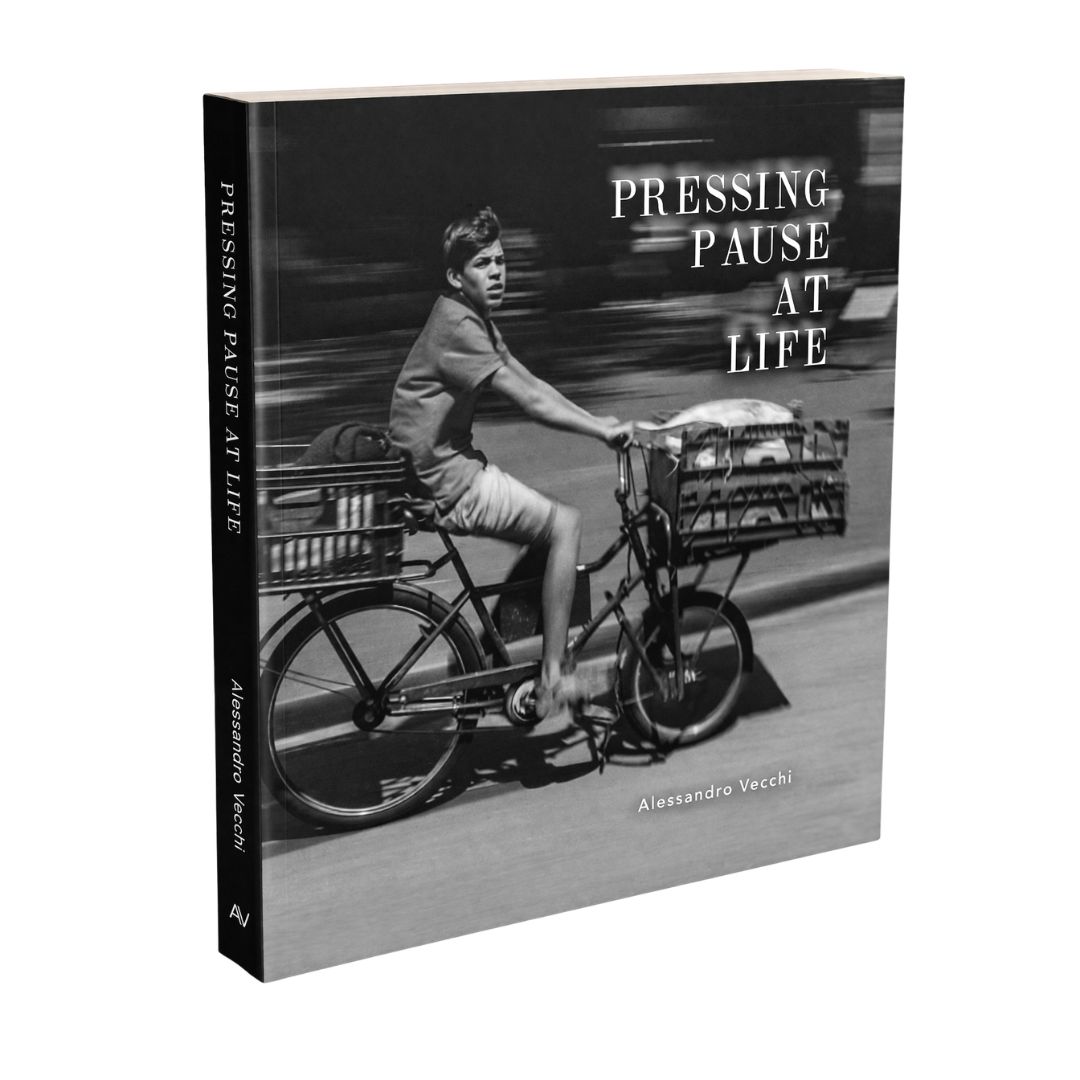
Pressing Pause at Life
240 pages of street photography paired with philosophical reflection. An invitation to notice what you've trained yourself to ignore: light on walls, silence between strangers, the weight of ordinary moments. The city was always saying something. This book teaches you to listen.