

Your brain is not tired. It’s full.
There is a version of you that thinks clearly, moves quickly, and understands things on the first read.
You’ve met this person.
They show up in the morning, before the phone, before the first decision, before anyone has asked you for anything.
The question is why they leave.
I work across several disciplines at once.
No two days are the same, haven’t been for years.
This means I spend a disproportionate amount of my life learning things for the first time, which is more tiring than most people admit.
Learning burns energy.
Not in some motivational-poster sense. Literally.
The brain consumes glucose, and concentration is expensive.
One of the more counterintuitive facts in consumer psychology is that giving people fewer options consistently produces more sales.
Fewer choices, less friction, more decisions completed.
The brain, confronted with abundance, stalls.
This is not a weakness. It’s how the system works.
Clarity, then, is partly a management problem.
What you eat matters more than what is socially acceptable to say.
I’ve eaten one meal a day for years, nothing processed, no sugar. I know how that sounds.
I also know what happens when I break the pattern: the kind of heaviness that isn’t physical, the thoughts that don’t quite connect, the afternoon that dissolves.
Carbohydrates and sugar don’t make you stupid. They make you slow.
There’s a difference, but in practice it doesn’t feel like one.
The first few hours of the day are not equal to the hours that follow.
Kahneman wrote about the machinery that governs decisions, and one thing that emerges from that work is this: the machinery degrades.
It doesn’t fail dramatically. It just gets slower, less precise, and more likely to take the easier path.
If you have work that requires genuine concentration, it belongs in the morning. What remains can wait.
A trader who stares at charts all day is not working harder.
They’re burning the instrument they need most.
The resets matter.
Not scrolling during a break, but actually stopping.
Walking without a destination.
Looking at things with no intention to record or report them.
Stretching. Drinking water. These are not productivity hacks.
They’re the minimum maintenance required to use a mind as a tool.
When you return to the work, the work takes less time.
The math is not complicated.
Pascal observed, in the seventeenth century, that most human unhappiness comes from an inability to sit quietly in a room alone.
He meant it as a moral observation, I read it as a physiological one.
The mind needs intervals of nothing. Not less stimulation. Nothing.
The difference is significant, and the difference is what the phone erases.
There’s another kind of clarity that takes longer.
Something happens when you understand a concept intellectually, and something else, days later, when it becomes yours.
I can follow an argument and know it’s correct and still not know how to use it.
That gap closes with time, with sleep, with distance.
You cannot compress it.
Anyone who has tried to force this has the drafts to prove it.
Mental clarity isn’t a state you achieve, It’s what’s left when you stop adding things.
The instrument you’re most rarely willing to protect is the one the whole operation runs on.
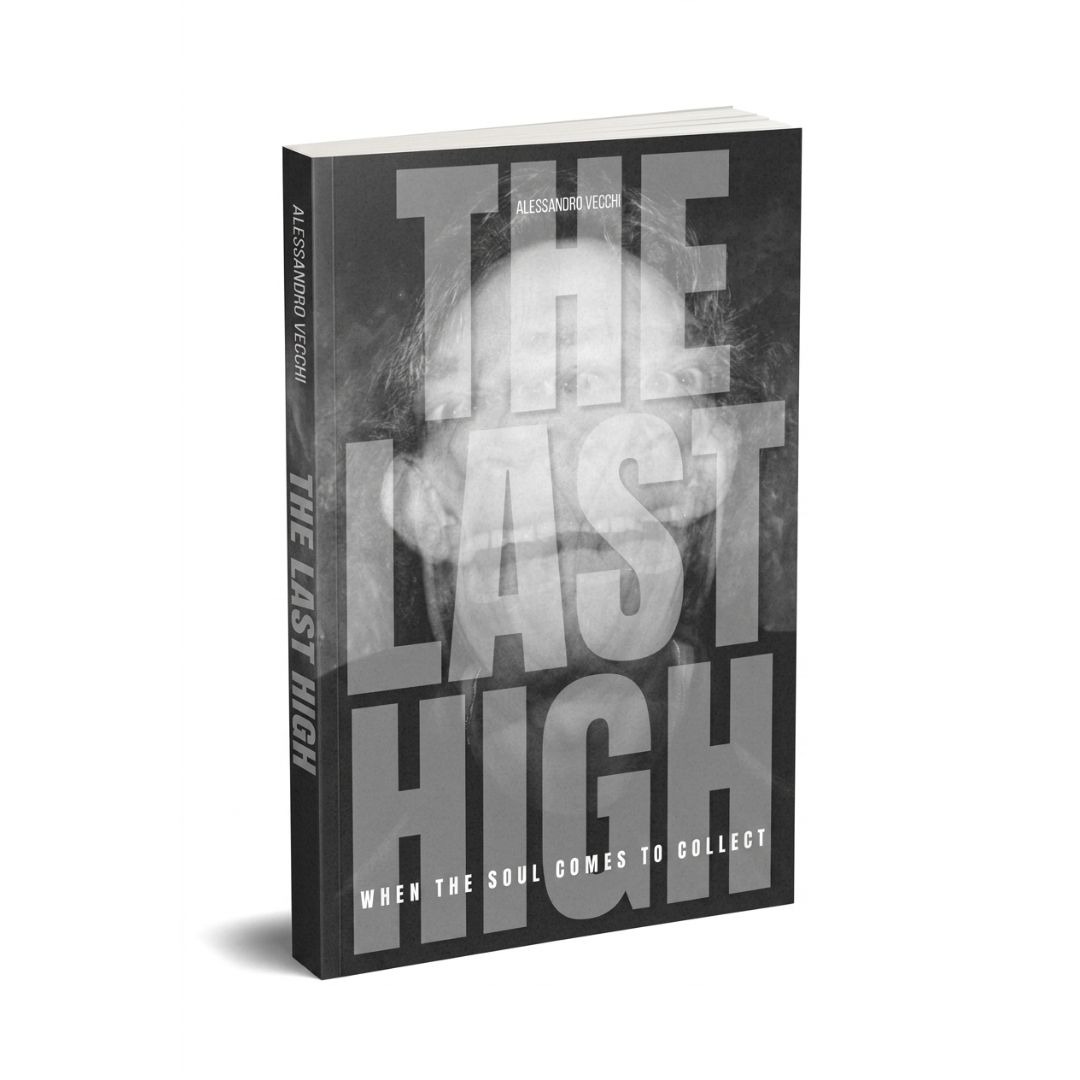
The Last High
Most addiction books want to help you feel understood. This one wants you to feel responsible. The Last High isn't about substance abuse. It's about escape, and the uncomfortable reality that everyone is escaping something. Written from the inside, without sympathy asked or given.