

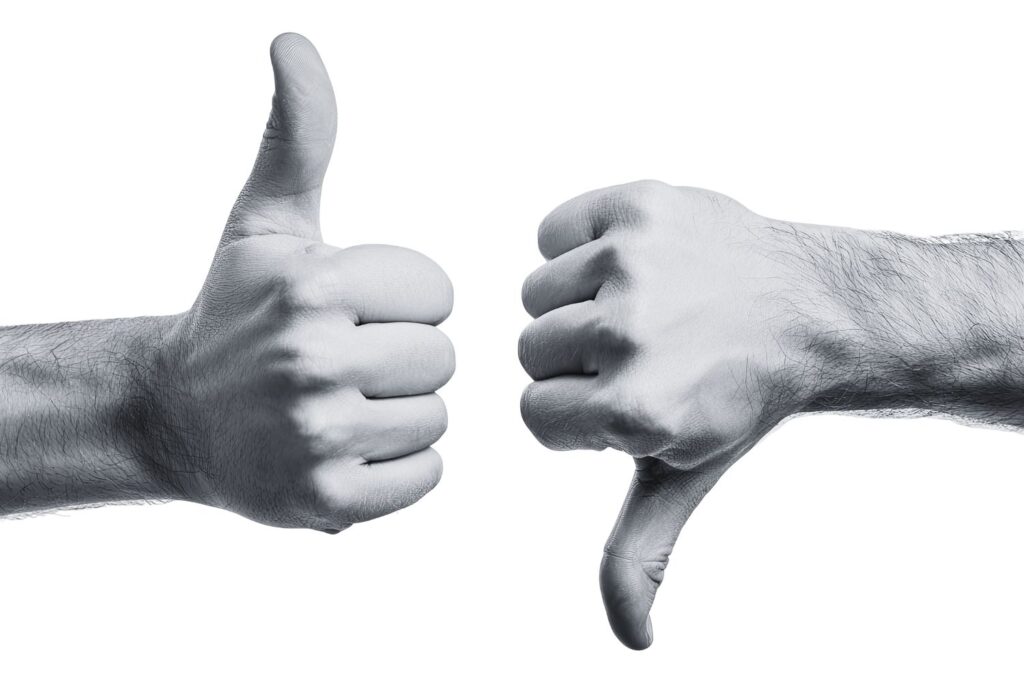
You put the work out, someone responds, the response is not about the work.
You learn to tell the difference eventually, but it takes more exposure than it should.
Early on, every comment lands with equal weight.
The person who found something genuine in your photograph and the person who needed to diminish it because it reminded them of what they haven’t made.
They occupy the same sentence in your mind, the same night, the same slow hour at 2 am when you’re deciding whether to keep going.
The world runs on layers, that’s not a metaphor, it’s sociology.
There are people whose relationship to your work is mediated entirely by their relationship to themselves.
Envy doesn’t announce itself, it arrives dressed as a structural critique.
Ignorance doesn’t always retreat when given new information, sometimes it holds the microphone at the gallery opening.
Intolerance rarely frames itself as intolerance, it frames itself as standards.
Erving Goffman spent a career describing how social interactions are performances staged for particular audiences.
The critic, too, is performing.
They are not only responding to what you made, they are managing their own position in the room, their own narrative, their relationship to the idea that someone else did the thing they talked about or didn’t attempt.
This doesn’t make every critical voice corrupt.
It makes every critical voice human, situated, interested.
The problem for the artist is that you cannot afford to dismiss all of it.
Some of it is true.
Some of the sharpest feedback you’ll ever receive will come from people who don’t like you, don’t want you to succeed, or simply don’t understand the tradition you’re working in.
The uncomfortable thing about criticism from a dark place is that it can still be accurate.
So you don’t ask whether the person likes you, you ask whether the observation, stripped of its packaging, holds.
You take the argument out of the envelope and look at it without the handwriting.
That’s a skill, not a virtue, it’s something you practice until the initial sting stops determining the answer.
Children do it to survive.
Artists do a version of it when they start adjusting the work based on who’s in the room.
The danger isn’t feedback, the danger is reshaping the work to pre-empt the person you already know will misread it.
That’s the moment the work starts dying, not from outside pressure, but from internal capitulation before the pressure even arrives.
Barthes argued that the author dies when the text is released, that the work no longer belongs to its maker once it enters the world.
He meant it as liberation, but there’s a harder version of the same idea: once the work is public, it will be read through lenses you didn’t provide, by people whose reading says more about them than about what you made.
You can grieve that, or you can factor it in.
The artists who last usually do the second.
None of this means the criticism doesn’t land, it does.
The ones from envy sting differently than the ones from incomprehension, and both sting differently than the ones that are simply right.
To give the useful thing the weight it deserves without letting the noise around it collapse the room.
The work has to leave, that’s the condition, and the world it enters is stratified, interested, full of people whose response to someone else’s making is tangled up with their own unmade things.
You knew this before you started, you just didn’t know how personal it would feel.
You still don’t.
The Last High
Most addiction books want to help you feel understood. This one wants you to feel responsible. The Last High isn't about substance abuse. It's about escape, and the uncomfortable reality that everyone is escaping something. Written from the inside, without sympathy asked or given.