
There is a kind of photography nobody hired anyone to take.
No brief, no model release, no discussion of angles before the shutter opens.
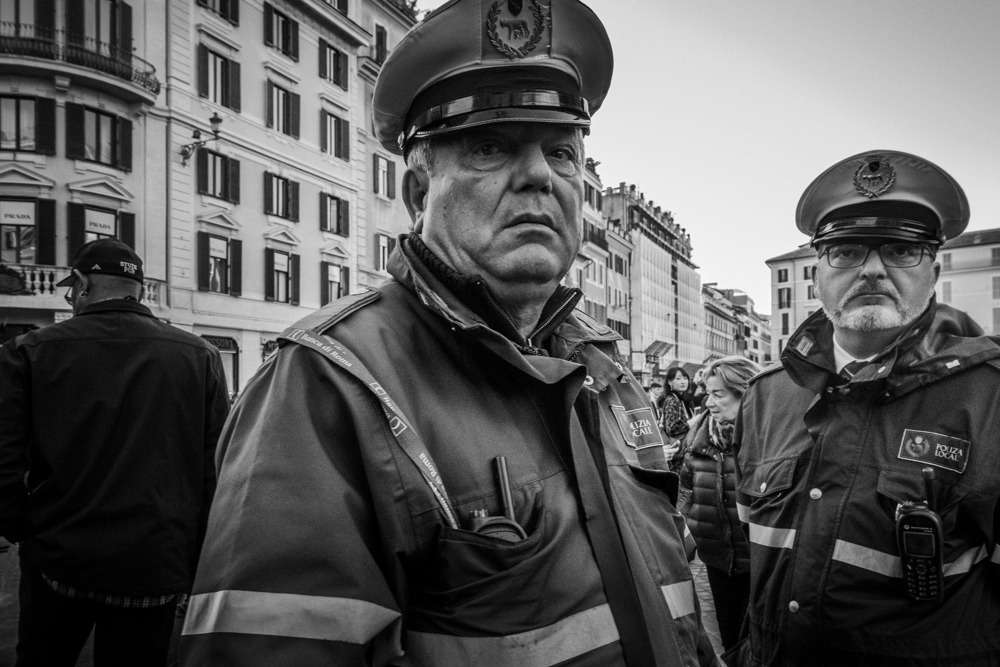
The subject doesn’t know they’re in the frame, sometimes they never will.
This is what flaneur photography has always been, and it is what most people who post images to Instagram are very carefully not doing.
The flaneur is a 19th-century figure.
The word comes from the French, to stroll, to loiter, to be deliberately without destination.
Baudelaire described the flaneur as someone who disappears into the crowd not to be seen, but to see.
He is a particular kind of witness: present, attentive, invisible.
When handheld cameras arrived in the early 20th century, Susan Sontag recognized immediately what had happened.
The camera had armed the flaneur, the wanderer now had a tool that matched the act.
That lineage matters, flaneur photography is not a technique, it’s a disposition.
The photographer who practices it has made a prior decision, to be in the world without announcing themselves, to observe without controlling the scene, to accept what life produces rather than produce the scene themselves.
Cartier-Bresson wrapped his camera in black tape so it would disappear.
He once said that in places where he was known, he saw too much and too little at the same time.
He needed invisibility the way a scientist needs a clean instrument.
This is worth holding against the current moment.
You have a device in your pocket capable of producing technically excellent photographs, so does almost everyone around you.
The cities are full of cameras, and yet the dominant photographic form of this era is the posed image: a face looking at the lens, aware, arranged, performing.
The selfie is the opposite of flaneur photography.
It’s a portrait you commissioned of yourself.
Even street photography as it appears on social media is often posed, a stranger who noticed the camera, who agreed with their eyes, who became, briefly, a collaborator.
That is portraiture.
It is a fine thing, but it is not what Sontag was describing when she wrote about the photographer as an armed walker in the urban inferno.
What makes flaneur photography feel urgent right now is precisely what makes it uncomfortable.
Privacy law is extending further into public space in many countries.
In some places, publishing an image of a person without consent is prohibited.
In others, the restrictions are cultural rather than legal, Islamic tradition holds that the camera takes something from its subject, the image contains a fragment of the person.
These are not irrational positions, there is something taken, in both directions.
The photographer gets a moment, the subject gets nothing, usually not even knowledge.
The transaction is invisible and one-sided, and yet the images it produces are the ones that persist, not because they are better composed, though sometimes they are, but because they carry a quality that the posed image can’t manufacture, they show someone who wasn’t trying to be shown.
Walter Benjamin wrote about the photograph as a kind of evidence, not of what something looked like, but that it existed.
The flaneur photograph is evidence of a moment that didn’t know it was being recorded, that unknowing is exactly what gives it weight.
The real street photographer is not waiting for something dramatic.
The preparation is technical and positional: knowing where to stand, how to hold the camera, what the light is doing, what the crowd is about to do.
The image appears to be found, was actually anticipated.
The difference between luck and readiness, in this discipline, is everything.
So why does flaneur photography remain popular when it has become legally difficult and culturally contested?
Because it’s one of the few remaining places where you can see how people actually move through the world when no one is watching.
Not performing, not arranging their face, not working out which angle catches the light.
Just living, at the speed life moves, unaware that someone nearby found them worth looking at.
That is a rarer document now than it has ever been.
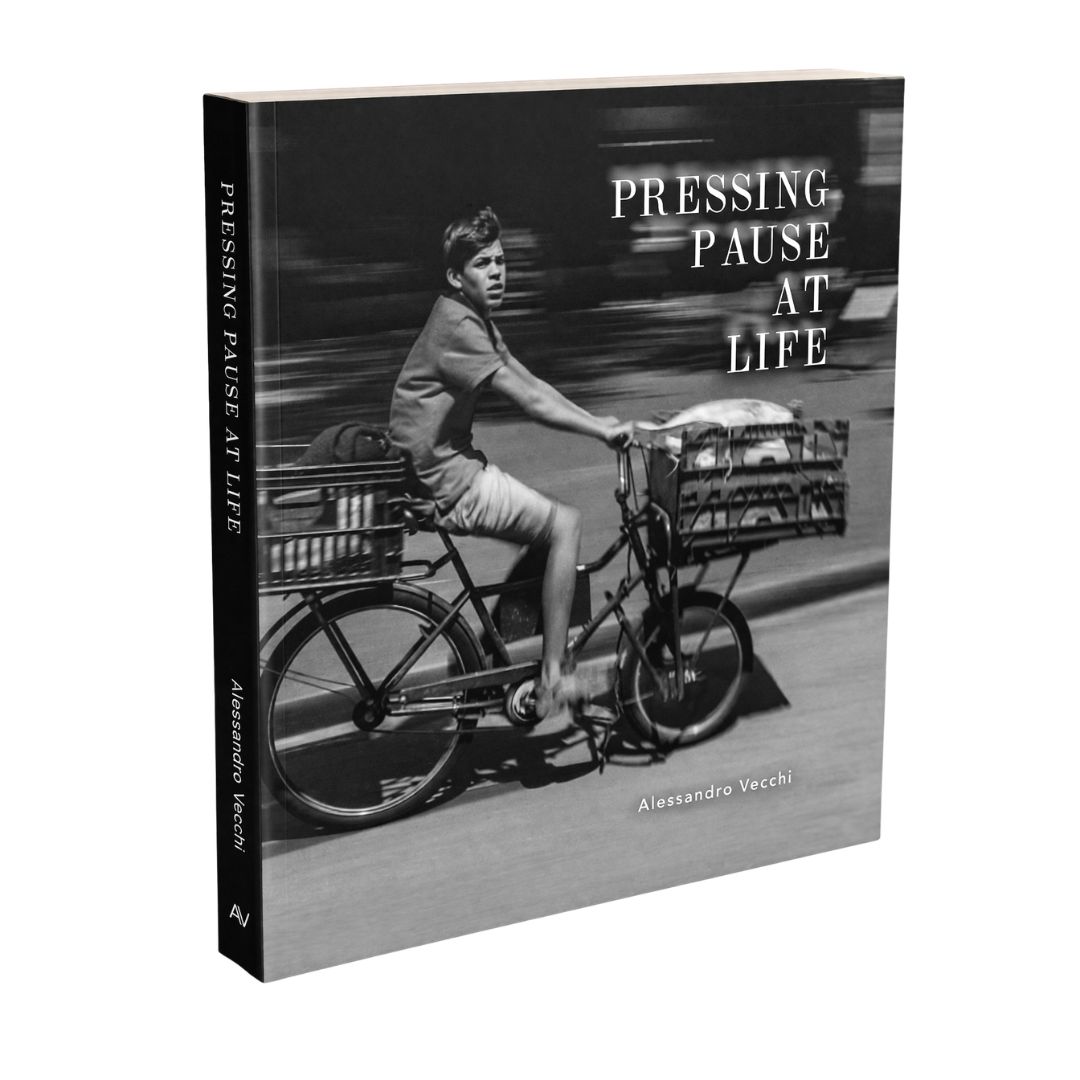
Pressing Pause at Life
240 pages of street photography paired with philosophical reflection. An invitation to notice what you've trained yourself to ignore: light on walls, silence between strangers, the weight of ordinary moments. The city was always saying something. This book teaches you to listen.