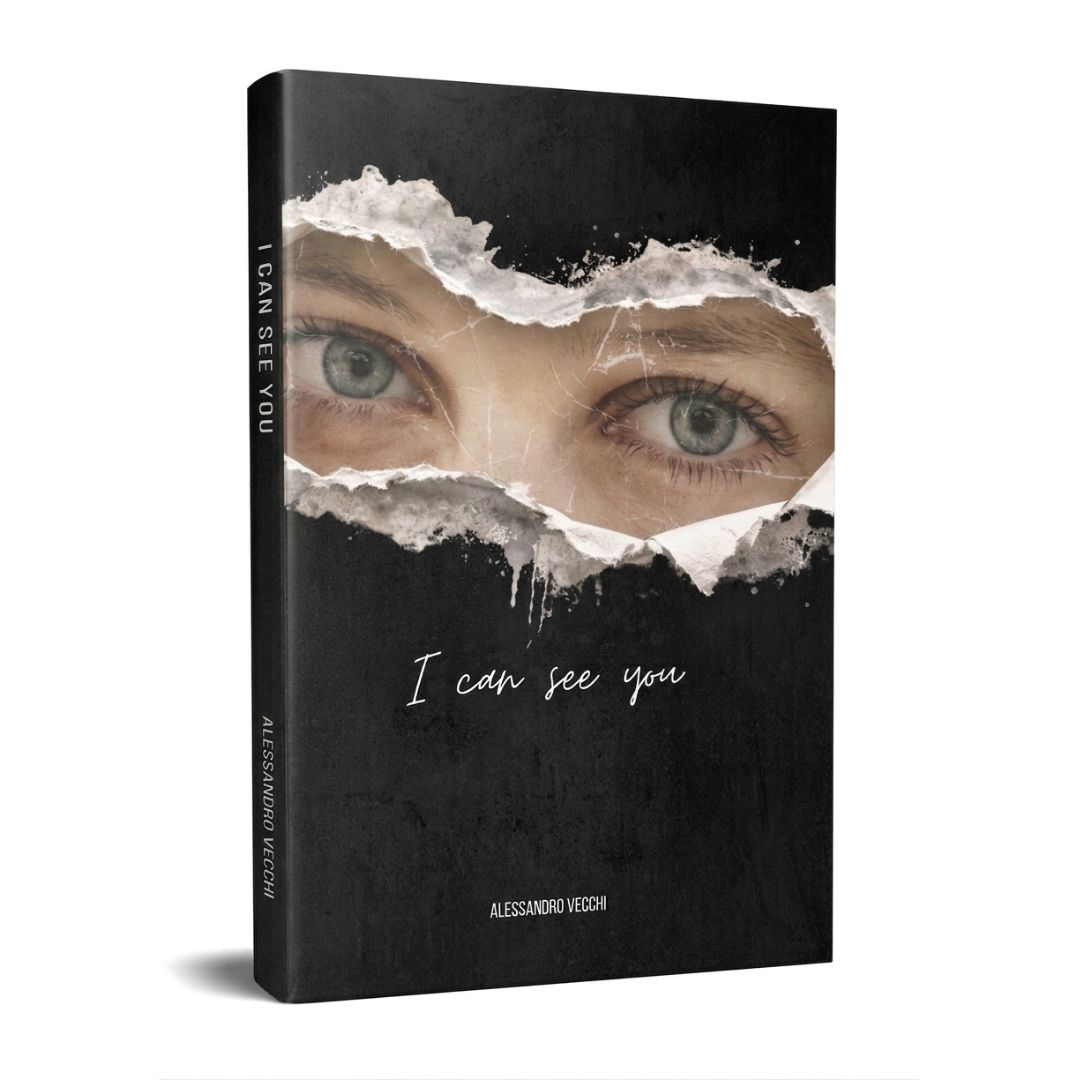


Walk into a bookstore and don’t go to the section you always go to.
Look at what’s on the first table near the entrance, the display the buyers chose, the cover someone decided would stop you.
You don’t have to buy anything.
You don’t have to agree with any of it.
Just stand there and look at what other people think matters right now.
That’s it, that’s the exercise.
Creativity is almost always discussed as a production problem.
How to generate more ideas, how to get unstuck, how to find flow, but before any of that, there is an input problem.
The brain simplifies, it has to, it processes more information per second than you will ever consciously register, and it survives by categorizing as fast as possible.
This is not a flaw, it’s efficient, but efficiency and creativity are not the same thing, and the systems that make you fast at navigating the familiar are the same ones that make new thought harder to form.
The interruption to that loop does not have to be dramatic.
Walk down a street you don’t usually take.
Sit in a café where you don’t understand the language being spoken around you, not to translate, not to learn, just to let your ears receive sound that hasn’t been filed yet.
Listen to music that makes you slightly uncomfortable, the kind where you can’t immediately decide if it’s good or not.
That suspension, where something hasn’t resolved into a category, is the mental state you are looking for.
Go into a design shop, not to buy anything, but to notice what the objects are assuming about the person who might want them.
What is the aesthetic saying?
Who is it speaking to?
You will have opinions about it without even trying.
Those opinions are your mind working in a direction it doesn’t usually go.
The point is not novelty for its own sake, it’s friction.
The moment when what you are looking at doesn’t immediately tell you what it is, or what to think about it, that moment is when the brain stops running its shortcut and actually starts processing.
Csikszentmihalyi spent a career studying creative people, and found that the ones who kept producing original work across decades were almost always people who maintained a wide and genuinely varied field of inputs.
Not inputs in their area, inputs outside it.
A photographer who only looks at photography stops seeing what photography is doing.
A writer who only reads inside their genre starts to hear the genre’s grammar more than their own voice.
A designer who only follows design starts to iterate on what already exists rather than question why it exists at all.
This is the logic behind what sounds like ordinary advice: travel, read widely, talk to people whose world doesn’t overlap with yours, but the mechanism is not inspiration, it’s interruption.
The foreign, the unfamiliar, the thing you haven’t learned to ignore yet, forces a kind of attention that the familiar cannot.
You look harder at the shop window in a city you’ve never been to, you actually read the signs, you notice the colors people are wearing.
You already know how to do this, you did it constantly as a child, before your brain had enough categories to skip the looking-at step.
The question is not how to become someone more creative, it’s how to deliberately give your eyes and your mind something they haven’t already processed, often enough that the habit of real attention doesn’t die from disuse.
You don’t need a trip, you need a different street.
I Can See You